
.png)

What Steps to Take if Your Water Heater is Leaking Before Calling a Plumber
- forgachplumbing
- Jun 17, 2025
- 4 min read
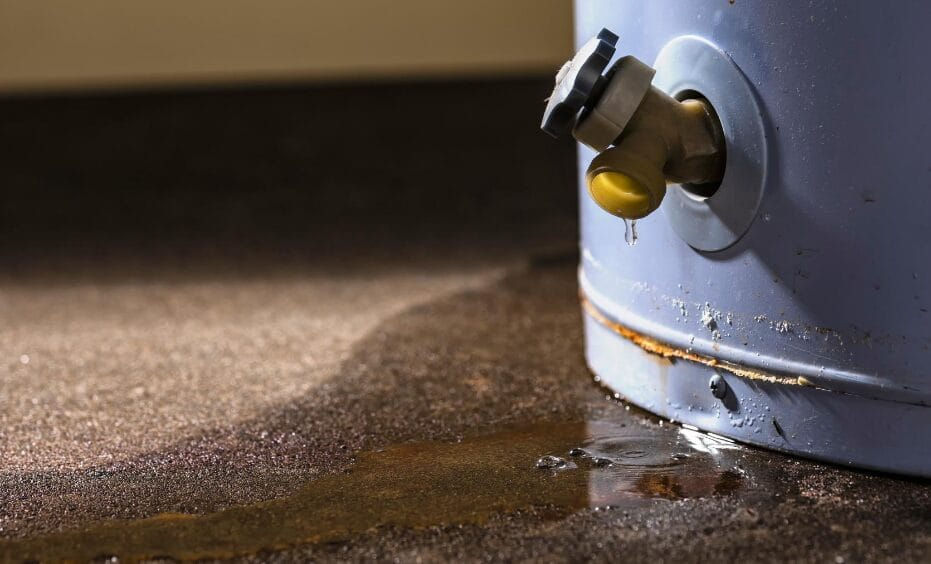
Water heaters often sit tucked away, forgotten until they start leaking. When that happens, it can lead to frustration and concern. If you find your water heater is leaking, it may signal several issues, some requiring a plumber's expertise and others you can handle yourself. In this post, we’ll guide you through essential steps to take when you’re facing a leaking water heater, giving you the knowledge and confidence to address the situation.
Identify the Source of the Leak
Before you can fix a leak, you need to find out where it's coming from. Here are common leak sources:
Connections and fittings: Check the pipes linked to your heater for any loose fittings or signs of corrosion. For instance, if a fitting appears rusty, it may need tightening or replacing.
Tank: A leak from the tank itself is often due to corrosion or damage, and if your water heater is older than 10 years, replacement might be necessary. Statistics show that water heaters typically last 8 to 12 years, so age can be a significant factor.
Drain valve: Consider checking the drain valve. It can leak if not closed tightly or if it has damage.
Temperature and pressure relief valve: This valve often releases water if the internal pressure is too high. If you notice water dripping from this valve, it may need to be replaced.
Identifying the leak's source helps you figure out the next steps.
Turn Off Power and Water Supply
Safety should always come first when dealing with plumbing issues. If you notice a leak:
Turn off the power supply: For electric water heaters, locate and turn off the breaker. For gas heaters, turn the thermostat dial to the "off" position.
Shut off the water supply: Find the cold water shut-off valve at the top of the heater and turn it clockwise. This step is critical to prevent additional water from entering the tank.
By turning off both power and water, you can minimize further damage while you assess the problem.
Drain the Water Heater
If the leak is substantial, you may need to drain the water heater. To do this:
Connect a garden hose: Attach one end of a garden hose to the drain valve at the bottom of the heater. Direct the other end to a suitable drainage spot, like a floor drain or outside.
Open the drain valve: With the water supply off, carefully open the drain valve. Be cautious, as the water could be very hot.
Open a hot water faucet: This allows air to flow into the system, which helps the water drain more smoothly and prevents a vacuum from forming.
Keeping an eye on the draining process can help avoid water damage to your home.
Assess the Damage
Once you’ve drained the tank, assess the leak and any resulting damage.
Inspect surrounding areas: Look for any signs of water damage on floors, walls, or nearby appliances. Evidence like bubble paint, damp spots, or swelling wood can point to serious issues.
Consider the age of the unit: If your water heater is nearing the end of its lifespan (about 10-12 years), it might be more cost-effective to replace it rather than repairing a deteriorating unit.
Understanding the scope of the damage can guide you in deciding whether to repair or replace the heater.
Clean Up
Cleaning up any standing water is vital to avoid mold and mildew growth.
Use towels or a wet/dry vacuum: Remove as much water as possible from the area quickly.
Ventilate: Open windows or use fans to help dry the space thoroughly.
Examine your belongings: Check any furniture or items near the leak for water damage and consider whether they need to be repaired or disposed of.
Effective cleanup can reduce damage and prepare the area for repairs or replacement.
Document Everything
Before reaching out to a plumber, document everything. Take clear photos of:
The water heater and the source of the leak.
Any water damage to surrounding areas.
The model and serial numbers for reference.
These records can provide helpful information for the plumber and may assist with warranty claims.
Contact a Plumber
After taking the initial steps, it may be time to call a plumber. When you reach out:
Provide details: Explain the problem, what steps you have taken, and specifics about your water heater.
Ask for an estimate: Request a cost estimate for repairs or replacement before they begin work.
Schedule a visit: Choose a time that works for you. Make sure the plumber can adequately assess the situation.
By sharing all the details you've gathered, you can help the plumber understand the issue better and get the right advice.
Navigating the Leak Challenge
Facing a leaking water heater can be stressful, but you can take proactive steps to manage the situation effectively. By identifying the leak source, turning off utilities, draining the heater, assessing damage, cleaning up, and documenting everything before contacting a plumber, you set yourself up for a smoother resolution. With these straightforward actions, you'll handle the challenges of a leaking water heater with confidence.


Comments